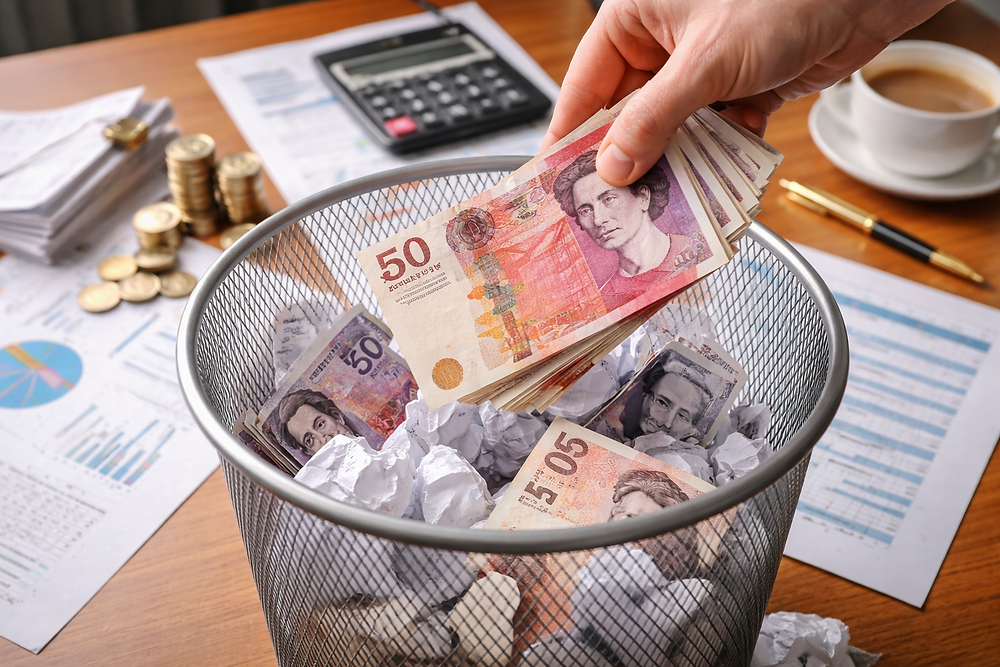
Many brands invest in PR expecting instant media coverage, viral headlines or a quick boost in brand awareness. When those results don’t appear straight away, they often assume that PR doesn’t work.
In reality, the problem is rarely PR itself. More often, it’s the strategy behind the PR campaign.
A successful public relations strategy focuses on building credibility, telling compelling stories and positioning a brand as an expert within its industry. When brands approach PR without this strategic foundation, their budgets can quickly be wasted on activity that doesn’t generate meaningful media coverage.
Below are some of the most common PR strategy mistakes brands make, and how to approach PR in a way that delivers long-term visibility, authority and press coverage.
1. Expecting Guaranteed Media Coverage Instead of Earned Media
The PR mistake
One of the biggest misunderstandings around public relations is expecting guaranteed press coverage.
Many brands approach PR agencies assuming that media placements work like advertising. They expect to pay for PR and receive guaranteed coverage in national newspapers or major publications.
However, PR is fundamentally different from advertising. Media coverage is earned, not bought.
Journalists choose which stories they cover based on editorial relevance, audience interest and news value. If a brand’s story isn’t strong enough, it simply won’t be published.
What brands should do instead
Brands should approach PR as a long-term earned media strategy, not a quick advertising tactic.
Focus on:
- Creating newsworthy stories
- Offering expert commentary journalists can quote
- Building relationships with media contacts
- Providing useful insights or research
Over time, this approach builds credible press coverage that audiences trust far more than paid advertising.
2. Pitching Products Instead of Creating Newsworthy PR Stories
The PR mistake
A common reason PR campaigns fail is because brands pitch product announcements that lack a wider story.
Press releases that simply promote a product launch, discount or feature rarely generate media coverage unless the brand is already widely known.
Journalists are looking for stories that are interesting, timely or insightful for their readers, not marketing messages.
What brands should do instead
Strong PR campaigns are built around storytelling and cultural relevance, not product promotion.
Examples of strong PR angles include:
- Original surveys or consumer research
- Data that reveals a new trend or behaviour
- Founder or brand storytelling
- Commentary on a trending topic or news story
- Insights tied to awareness days or seasonal moments
When brands position their message within a larger cultural or industry conversation, journalists are far more likely to cover it.
3. Only Targeting National Press Instead of a Broader Media Strategy
The PR mistake
Many brands focus exclusively on securing coverage in national newspapers or major online publications.
While national coverage can significantly boost brand visibility, competition for these placements is extremely high.
If a brand only targets national media, it risks missing valuable opportunities elsewhere.
What brands should do instead
A strong PR strategy should target multiple types of media outlets, including:
- Industry and trade publications
- Lifestyle magazines and online features
- Regional newspapers and websites
- Specialist blogs and niche platforms
- National media
- Broadcast media (TV & Radio)
This layered media strategy builds credibility across different audiences and increases the chances of consistent press coverage.
For many brands, consistent coverage across relevant publications can drive more engagement than a single national headline.
4. Treating PR As A Short-Term Campaign Instead of a Long-Term Strategy
The PR mistake
Some companies invest in PR for a few weeks or months, expecting immediate results. If coverage doesn’t appear quickly, they assume the campaign hasn’t worked.
However, PR success often builds gradually over time. Journalists need to become familiar with a brand before regularly including them in stories. Authority and credibility are built through repeated exposure and consistent storytelling.
What brands should do instead
Brands should treat PR as a long-term reputation and visibility strategy.
Consistent PR activity helps to:
• Increase brand awareness
• Build trust with customers
• Position founders as industry experts
• Improve search engine visibility
• Generate backlinks that support SEO
Over time, PR becomes a powerful driver of brand authority and organic visibility.
5. Running PR Separately From SEO, Social Media and Marketing
The PR mistake
Another common issue is treating PR as a standalone activity separate from the rest of the marketing strategy.
When PR coverage isn’t integrated with marketing, brands miss opportunities to amplify their impact.
What brands should do instead
The most effective brands use integrated marketing and PR strategies.
PR coverage can support:
• SEO, through backlinks and domain authority
• Social media, through shareable press coverage
• Content marketing, by expanding on stories
• Influencer marketing, by building credibility
• Sales, by demonstrating trust and authority
When PR is connected to the wider marketing ecosystem, a single media placement can generate far more long-term value.
How To Stop Wasting Your PR Budget
PR delivers the best results when it is strategic, consistent and built around stories journalists genuinely want to cover.
Instead of expecting guaranteed coverage or instant results, brands should focus on creating newsworthy ideas, targeting the right mix of media and contributing expert insight to industry conversations.
When PR is treated as a long-term strategy and integrated with SEO, social media and marketing, it becomes a powerful driver of credibility, visibility and growth.
FAQ: PR Strategy
Why do PR campaigns fail?
PR campaigns often fail because brands focus on product promotion instead of storytelling, expect guaranteed coverage, or treat PR as a short-term tactic rather than a long-term strategy.
How long does PR take to work?
PR is a long-term marketing strategy. While some campaigns generate immediate coverage, consistent PR activity typically builds results over several months as brand credibility and media relationships grow.
What makes a good PR story?
A strong PR story usually includes one or more of the following: new data, consumer insights, cultural relevance, expert commentary or a compelling personal story.
Is PR better than advertising?
PR and advertising serve different purposes. Advertising guarantees visibility through paid placements, while PR generates earned media coverage that audiences often view as more credible and trustworthy.
How can PR help SEO?
PR improves SEO by generating high-quality backlinks from trusted media outlets. These backlinks increase domain authority and can help brands rank higher in search engines.